

Ko ngā takirere pōro te mahi matua hei taputapu whakaweto/whakakā. Nā te hoahoa e whakawhāiti ana i tō rātou kaha ki te whakarato i te whakahaere rere tika. Ka pā pea tēnei whakawhāititanga ki tō rātou whai huatanga i roto i ētahi tono tiaki ahi. Anei ētahi kōrero matua e pā ana ki tefire protection valveso ngā takirere pōro:Mahi Whakakā/WhakawetoHe tino pai ngā takirere pōro ki te whakaweto tere, ki te tuku rānei i te rere o te wai. Heoi, kāore e pai te mahi ina hiahia ngā kaiwhakahaere ki te whakarerekē haere i ngā tere rere.Ngā Take WhakaitiIna whakatuwheratia ā-wāhanga, ka taea e ngā takirere pōro te hanga i te pōrearea. Ka taea e tēnei pōrearea te arahi ki te hekenga o te pēhanga me te rere koretake. Ka taea e tēnei whanonga te whakararu i te mahi a ngā pūnaha tinei ahi.Te Whakahaere RereKāore ngā takirere pōro e pai mō ngā tono e hiahia ana kia pai te whakahaere i te rere. Kāore e taea te whakarerekē mārire i roto i tōna hoahoa. Ka raru pea tēnei herenga i ngā āhuatanga e hiahiatia ana te tuku wai tika.TohutohuMō ngā tono e hiahia ana kia whakatikatikahia te rere, whakaarohia te whakamahi i ngā takirere kuaha, i ētahi atu momo takirere rānei i hangaia mō te whakawhāiti.
Kei te ripanga i raro nei e whakarāpopoto ana i ngā āheinga whakahaere rere o ngā takirere pōro ki te whakataurite ki ngā takirere kēti:
- Momo Takirere
- Te Āheinga Whakahaere Rere
- Te Whakamahinga Pai rawa atu
- Takirere PōroHe iti noa iho
- Ratonga whakaweto/whakakāTakirere Keti
Waenga
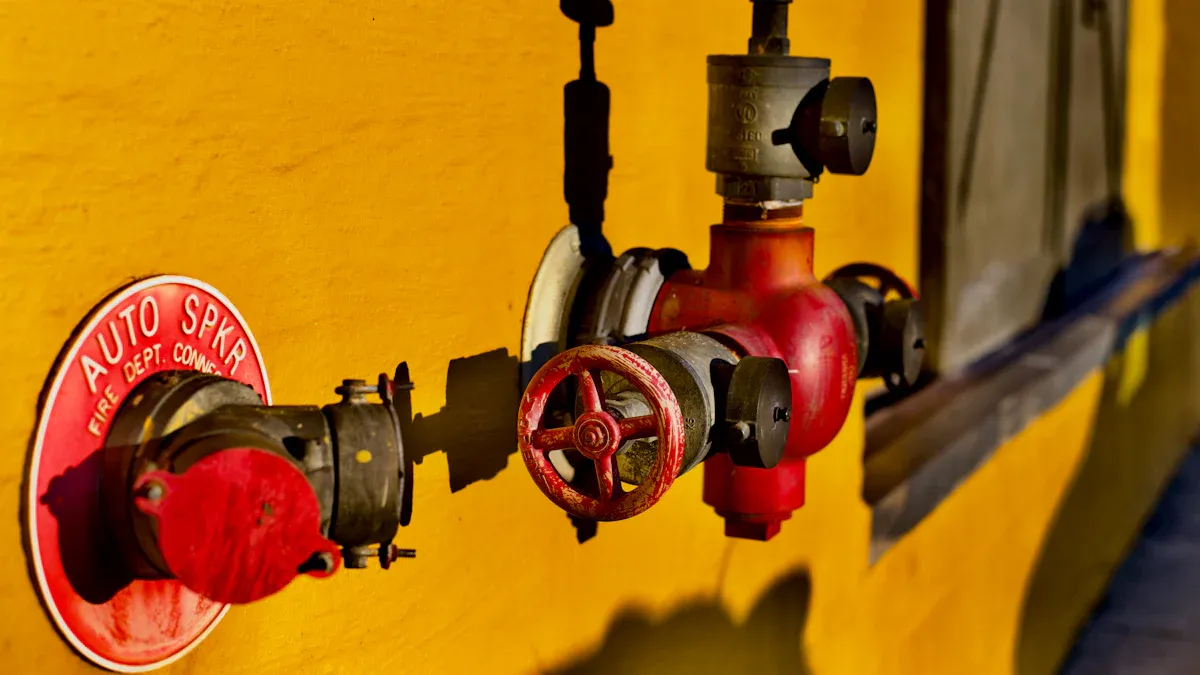
Te whakawhāiti me te whakahaere rereNgā tono i roto i ngā pūnaha ahiHe mahi nui tā ngā takirere tiaki ahi i roto i ngā momo tono i roto i ngā pūnaha tiaki ahi. Ko tā rātou whiriwhiri ka whakawhirinaki ki ngā whakaritenga whakahaere motuhake me te āhua o te rautaki tiaki ahi. Kei raro nei ētahi tono matua mō ngā takirere keti me ngā takirere pōro i roto i ngā pūnaha ahi:
| 1. Ngā Pūnaha Tauhiu Ahi | Ball Valves | Gate Valves |
|---|---|---|
| Ko ngā pūnaha paipa tū, e kitea whānuitia ana i roto i ngā whare arumoni, e whakawhirinaki ana ki ngā takirere tiaki ahi hei whakarite i te nui o te wai mō ngā mahi tinei ahi. He maha ngā wā ka whakamahia ngā takirere kēti hei wehe i ngā wāhanga o te pūnaha, ko ngā takirere pōro ia e āwhina ana i te tere o te mahi kia tere ai te urunga atu ki te wai. | 3. Ngā Pūnaha Wai Whakapūnga Ahi | Me whai takirere pono, whai hua hoki ngā pūnaha waikeri ahi kia tere ai te uru atu a ngā kaipatu ahi ki te wai. Ko ngā takirere kēti te nuinga o te wā ka tāutahia ki te raina matua hei whakahaere i te rere o te wai ki ngā waikeri. Ka taea hoki te whakamahi i ngā takirere pōro hei whakaweto tere i ngā wā ohorere. |
| 4. Ngā Pūnaha Waipuke me ngā Pūnaha Whakamua-Mahi | I roto i ngā pūnaha tinei ahi waipuke me ngā pūnaha tinei ahi i mua i te mahi, he mea nui te mahi a ngā takirere tiaki ahi ki te whakahaere i te rere o te wai ki ngā pane o te tauhiuhi. Ka taea e ngā takirere keti te wehe i ngā wāhanga o te pūnaha mō te tiaki, ko ngā takirere pōro ia ka taea te whakahohe tere i te rere o te wai ina hiahiatia. | 5. Ngā Taupānga Ahumahi |
| Flow Regulation | 6. Parenga Ahi Whare Noho | Ka whai hua anō hoki ngā pūnaha tiaki ahi o ngā whare noho i te whakamahinga o ngā takirere tiaki ahi. Ka whakaratohia e ngā takirere kēti ngā āheinga whakaweto pono, ā, ka whakarite ngā takirere pōro kia tere te uru atu ki te puna wai mō ngā mahi tinei ahi. |
| Durability | I te wā e whiriwhiri ana i ngā takirere mō ngā pūnaha tiaki ahi, whakaarohia te tono motuhake me ngā whakaritenga whakahaere. He painga ahurei kei ia momo takirere hei whakarei ake i te mahi a te pūnaha. | Ngā horopaki e tika ana mō ngā takirere kūaha |
| He tino whai hua ngā takirere kēti i roto i ngā āhuatanga rerekē o ngā pūnaha tiaki ahi. Nā te hoahoa me te mahi e pai ai mō ngā tono motuhake i reira | te mana whakahaere pono | he mea nui. Kei raro nei ētahi āhuatanga pai mō te whakamahi i ngā takirere kuaha: |
Te Wehenga o te Pūtake Wai Matua
Ko ngā takirere keti te tikanga matua mō te whakaweto i te wai matua i roto i ngā pūnaha tiaki ahi. Mā ēnei ka taea te kati katoa i te wā tiaki, i ngā wā ohorere rānei, kia mau tonu ai te haumaru me te mahi a te pūnaha.Ngā tono pēhanga teiteiI ngā taiao e āwangawanga ana mō te pēhanga teitei, he tino pai ngā takirere kuaha. Ka taea e tōna hanganga pakari te tu atu ki te pēhanga nui me te kore e whakararu i te mahi. Nā te pakari o tēnei āhuatanga ka pai ai mō ngā taiao ahumahi.
Ngā Paipa Whānui-Diameter
He maha ngā wā ka whakamahia ngā takirere kēti i roto i ngā paipa whānui te whānui ina hiahiatia te whakahaere rere. Mā te hoahoa nei ka whakaitihia te aukati rere, ka taea ai te tuku wai pai i ngā wā ohorere.
Ngā Pūnaha Wai Whakapūnga Ahi
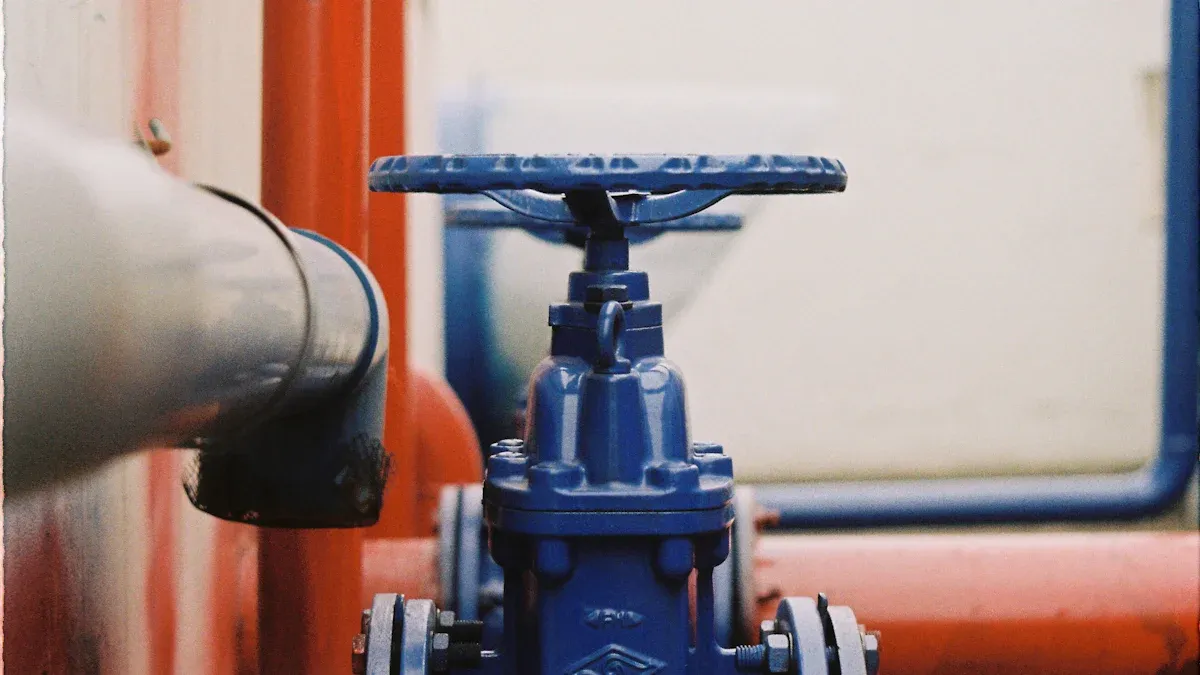
He mea tāuta noa ngā takirere kēti ki roto i ngā pūnaha wai whakapūngao ahi. Mā ēnei ka taea te wehe pono i te puna wai, kia tere ai te uru atu a ngā kaipatu ahi ki te wai ina hiahiatia.He pai ngā takirere kēti mō ngā mahi whakawhāiti?I roto i ngā pūnaha paipa tū, ka taea e ngā takirere kuaha te wehe i ngā wāhanga motuhake. He mea nui tēnei āheinga mō te tiaki, ā, ka whakarite kia mahi tonu ētahi atu wāhanga o te pūnaha.
- Ball ValvesI te wā e whiriwhiri ana i ngā takirere kēti mō ngā pūnaha tiaki ahi, whakaarohia te tono motuhake me ngā whakaritenga whakahaere. Nā tō rātou kaha ki te whakarato i te kati pono me te tu atu i ngā pēhanga teitei, he mea nui ēnei i roto i ngā āhuatanga maha.
- Gate ValvesHe tino whai hua ngā takirere pōro i roto i ngā āhuatanga rerekē o ngā pūnaha tiaki ahi. Nā te hoahoa me te whai huatanga o te mahi, he pai mō ngā tono motuhake e hiahiatia ana te urupare tere me te pono. Kei raro nei ētahi āhuatanga pai mō te whakamahi i ngā takirere pōro:
Whakaweto Āhuatanga ohorere
He tino pai ngā takirere pōro i ngā wā e hiahia ana kia tere te kati. Mā te mahi hauwhā-huri ka taea te kati tonu, he mea nui tēnei i ngā wā ohorere ahi. Ka taea e ngā kaipatu ahi te uru tere ki te puna wai, kia tere ai te urupare.
Ngā Pūnaha Pēhanga TeiteiHe pai ngā takirere kēti mō ngā mahi whakawhāiti?Ngā Raina Tuku Wai
Gate Valves
- mō ngā pūnaha tiaki ahi, whakaarohia te tere o te mahi me te iti o te hekenga pēhanga. Ka whakarei ake ēnei āhuatanga i te mahi whānui me te pono o te pūnaha.I roto i ngā pūnaha pupuhi ahi, ka āwhina ngā takirere pōro i te whakahohenga tere. Ka taea e rātou te rere tonu o te wai ki ngā pane pupuhi, ka whakarei ake i te whai huatanga o ngā mahi tinei ahi.
- Ngā Pūnaha WaipukeHe mea nui te mahi a ngā takirere pōro i roto i ngā pūnaha waipuke, ina hiahiatia he tukunga tere o te wai. Mā te hoahoa nei ka taea te whakahaere tere, kia tere ai te tae atu o te wai ki ngā wāhi e hiahiatia ana.
- Te urupare tere i ngā wā ahiĀhea
Ball Valves
- mō ngā pūnaha tiaki ahi, whakaarohia te tere o te mahi me te iti o te hekenga pēhanga. Ka whakarei ake ēnei āhuatanga i te mahi whānui me te pono o te pūnaha.Momo Tono
- Painga MatuaWhakaweto Āhuatanga ohorere
- Te urupare tere i ngā wā ahiNgā Pūnaha Pēhanga TeiteiKa mau tonu te pono i raro i te pēhangaNgā Raina Tuku Wai
TipNgā Pūnaha Pūweru
Whakahohenga tere tonu o te rere o te wai
Ngā Pūnaha Waipuke
- Tukunga wai tere hei pehiTe Whai Huatanga Whānui i roto i ngā Pūnaha Ahi
- Te whai huatanga ongā takirere tiaki ahi
- He pānga nui tēnei ki te mahi a ngā pūnaha haumaru ahi. He mea nui ngā takirere kēti me ngā takirere pōro ki te whakarite i te rere pono o te wai i ngā wā ohorere. Ka whai wāhi ō rāua āhuatanga ahurei ki te whai huatanga whānui o ngā mahi tinei ahi.He tino pai ngā takirere kēti mō ngā mahi e hiahia ana kia kati katoa te rere. He huarahi pono ēnei hei wehe i ngā wāhanga o te pūnaha tiaki ahi. He mea nui tēnei āheinga i ngā wā tiaki, i ngā wā ohorere rānei. Ka taea e ngā takirere kēti te whakaputa i te kaha rere nui, kia tae atu ai te wai ki ngā wāhi nui ina hiahiatia. Ka taea e tōna hanganga pakari te tu atu ki ngā pēhanga teitei, kia pai ai mō ngā taiao rerekē.
- I tētahi atu taha, he tere te mahi a ngā takirere pōro, ā, he iti te hekenga o te pēhanga. Mā te tikanga huri-hauwhā ka taea te uru tere ki te puna wai, he mea nui tēnei i ngā wā ahi. Ka taea e ngā kaipatu ahi te whakahohe tere i ngā takirere pōro, kia tere ai te mahi.te rere o te wai
- Ka taea e tēnei urupare tere te hanga i tētahi rerekētanga nui ki te whakahaere tika i ngā ahi. Hei tāpiri, ka pupuri tonu ngā takirere pōro i te hiri ā-tauraki, ka ārai i te ngaronga o te wai, ka whakarei ake hoki i te pono o te pūnaha.Te Mahi i ngā Wā Āhuatanga Ohorere
I ngā āhuatanga ohorere, ka tino hira te mahi a ngā takirere tiaki ahi. He rerekē te mahi a ngā takirere kuaha me ngā takirere pōro ki te whakarite kia whai hua ngā mahi tinei ahi.
ngā āhuatanga whakahaereka pā nui ki ngā hua o ngā mahi tinei ahi.Ngā Takirere Kēti
| Valve Type | Ngā Takirere Pōro | He rerekē, he tere te mahi a ngā takirere pōro. Mā te tikanga huri-hauwhā ka taea te uru atu ki te puna wai. He mea nui tēnei whakahohenga tere i ngā wā ahi, ina koa he mea nui te wā. Ka taea e ngā kaipatu ahi te whakamahi tere i ngā takirere pōro, kia tere ai te rere o te wai ki ngā wāhi e tika ana. Hei tāpiri, ka iti te hekenga o te pēhanga o ngā takirere pōro, ā, ka āwhina i te pupuri i te pēhanga wai puta noa i te pūnaha. |
|---|---|---|
| Gate Valve | He pono mō te whakaweto katoa engari he puhoi ake te whakahaere. | He pono mō te whakaweto katoa engari he puhoi ake te whakahaere. |
| Ball Valve | Te Pono o ngā Takirere Tiaki Ahi mō te Wā Roa | Te Pono o ngā Takirere Tiaki Ahi mō te Wā Roa |
He mea nui te pono mō te wā roa mō ngā takirere tiaki ahi, nā te mea he mea nui ēnei wāhanga ki te whakarite i te haumaru i ngā wā ohorere. He āhuatanga ahurei ō ngā takirere kuaha me ngā takirere pōro e pā ana ki tō rātou pono i roto i te wā.
- Ngā Takirere Kēti
- Te pakari
- He maha ngā rauemi pakari o ngā takirere kuaha, pērā i te maitai kore waikura, te parahi rānei. Ka whakarei ake ēnei rauemi i tō rātou kaha ki te tu atu i ngā pēhanga me ngā pāmahana teitei, ka whai wāhi atu ki te roa o tō rātou whakamahinga.
- Ngā Whakaritenga Tiaki
- He mea nui te tiaki auau mō ngā takirere kuaha. Me tirotiro e ngā kaiwhakahaere ngā hiri me ngā wāhanga o roto hei ārai i ngā turuturu. Mā te kore tiaki ka heke te pono me te ngoikore pea i ngā wā tino nui.
- Ngā Takirere Pōro
- He iti ngā hiahia tiaki
- He iti ake te tiaki e hiahiatia ana mō ngā takirere pōro i ngā takirere kēti. Ka whakaitihia e tōna hoahoa te pakaru me te haehae, ka taea ai e rātou te mahi pai mō ngā wā roa.
- Ātete ki te Waikura
- He maha ngā takirere pōro e whakamahi ana i ngā rauemi ātete-waikura. Ka whakarei ake tēnei āhuatanga i tō rātou pono, inā koa i roto i ngā taiao e pāngia ana e ngā matū kino, ngā āhuatanga tino kino rānei.
- Tohutohu
Hei whakanui ake i te pono o ngā takirere tiaki ahi mō te wā roa, me whakatinana e ngā whakahaere he kaupapa tirotiro auau. Mā ngā tirotiro auau ka taea te tautuhi i ngā raruraru pea i mua i te pikinga ake, kia mau tonu ai te mahi a ngā takirere ina hiahiatia.He rerekē ngā painga me ngā ngoikoretanga o ngā takirere keti me ngā takirere pōro i roto i ngā pūnaha tiaki ahi.Ngā takirere keti
he tino pai ki te whakarato i ngā āheinga whakaweto pono me te kaha rere teitei.
Ngā takirere pōro
- e tu ke ana mō tā rātou mahi tere me te iti o te hekenga pēhanga.Hei whakamutunga, ko te kōwhiringa i waenga i ēnei takirere e whakawhirinaki ana ki ngā hiahia motuhake o te pūnaha ahi me ngā whakaritenga whakahaere.TohutohuAromatawaihia ngā tono motuhake o ia tono hei whakatau i te mea tino pai
- momo takirere e tika anamō te mahi tino pai.Ngā Pātai AuauHe aha te rerekētanga matua i waenga i ngā takirere kēti me ngā takirere pōro?
Ka whakaratohia e ngā takirere kuaha he mana whakaweto/whakakā pono, ko ngā takirere pōro ia ka tukuna he mahi tere ake me te iti o te hekenga pēhanga. Nā tēnei ka pai ake ngā takirere pōro mō ngā āhuatanga ohorere.He pai ngā takirere kēti mō ngā mahi whakawhāiti?Ka taea te whakamahi i ngā takirere kēti hei whakawhāiti i te rere o te wai, engari kāore i te pai mō tēnei kaupapa. Ko te hoahoa matua mō te aukati katoa i te rere o te wai.
| Kia pēhea te auau o te tiaki i ngā takirere tiaki ahi? | He mea nui te tiaki auau mō ngā takirere kuaha me ngā takirere pōro. Me tirotirohia e ngā tohunga hangarau i te iti rawa kotahi i te tau kia tika ai te mahi me te ārai i ngā turuturu. |
|---|---|
| Ka taea e ngā takirere pōro te whakahaere i ngā wai paru? | Ka raru ngā takirere pōro i ngā wai kei roto he totoka, he paru rānei. Ka ārai pea ngā poke i te hiri tika, ka arahi pea ki ngā turuturu i roto i ngā pūnaha tiaki ahi. |
| He aha ngā mea e pā ana ki te whiriwhiri i waenga i ngā takirere keti me ngā takirere pōro? | Ko te kōwhiringa ka whakawhirinaki ki ngā hiahia tono motuhake, pērā i te wā urupare e hiahiatia ana, te whakahaere rere, me ngā āhuatanga pēhanga. Arotakehia ēnei āhuatanga hei whakatau i te momo takirere pai rawa atu. |
| Wā tuku: Maehe-20-2026 | Whakapā mai |
Tirohia mātouNgā Taputapu Whawhai Ahi o te Ao o ZheJiang CO.,LTD.Waea Mai
13685872522
13968219316
- Tā mātou ĪmēraTukuna he Uiui
- KōreaTukua he Īmēra
- WhatsappPēhia te tomo hei rapu, pēhia rānei te ESC hei kati
- IngarihiWīwī
- TiamanaPōtikī
Pāniora
| Rūhia | Kazakh |
|---|---|
| Kōrea | Ārapi |
| Airani | Kariki |
| Turkish | Itari |
Tenemāka
Romanian
InitonīhiaCzechĀwherikaans
- HuitenePōrana
- PākeCatalan
Esperanto
Hīni
RāoAlbanianAmharic
- ĀmeniaAzerbaijani
- BelarusianBengali
- PōniaPūrākau
Cebuano
- Chichewa
- Kōhikana
- Kōroātia
- Hōrana
EstonianaFilipino
| Valve Type | Frisian | Karihana |
|---|---|---|
| Ball Valve | Hiperu | Hawai'i |
| Gate Valve | Hawai'i | Hiperu |
Hmong
Hanekari
AiraniIgboHāwani
| Kānata | Kazakh |
|---|---|
| Khmer | Kurī |
| Kyrgyz | Rātini |
| Rāwiana | Rituānia |
Rukemupō..MakerōniaMarāhika
- MareiaMareiarama
- MēratiMāori
- MāratiMongolian
Burmese
Nepali
Nōwei
PāshtoPāhia:
- PunjabiSerbian
- SesotoSinhalaSlovakSlovenian
- HōmāriaHāmoa
Kōtirana Gaelic
Shona
Hindhi
SundaneseSwahiliTajik
- TamilTelugu
- TaiUkrainian
Urdu
| Valve Type | Wietīnamu | Wēra | Xhosa |
|---|---|---|---|
| Yiddish | Yoruba | Zulu | Kinyarwanda |
| Tatar | Ōria | Tūkmeni | Uikā |
Low pressure drop in ball valves enhances water flow in fire system pipelines. This efficiency ensures that firefighters receive adequate water supply quickly, which is vital for effective firefighting. The ability to maintain pressure during operation allows for consistent water delivery, even in high-demand situations.
Disadvantages of Ball Valves
While ball valves offer numerous advantages, they also present several disadvantages that can affect their performance in fire protection systems. Understanding these limitations is crucial for making informed decisions. Here are some key drawbacks:
- Inability to Provide Gradual Shut-off: Ball valves operate with a quarter-turn action. This rapid shut-off can lead to sudden pressure changes, potentially damaging systems like fire protection sprinklers. Such abrupt shifts in pressure may compromise the integrity of the entire system.
- Corrosion and Erosion Issues: Depending on the material used, ball valves can corrode or erode when exposed to harsh substances. This deterioration can result in leaks and reduced performance over time. Operators must consider the fluid characteristics to mitigate these risks.
- Difficulty in Handling Dirty Fluids: Ball valves struggle with fluids containing solids or debris. These contaminants can prevent proper sealing, leading to leakage. In fire protection systems, where reliability is paramount, this limitation can pose significant challenges.
- Higher Initial Costs: Compared to gate valves, ball valves typically have a higher initial purchase price. This cost factor can deter some organizations from choosing them, especially when budget constraints exist.
- Limited Throttling Capability: Ball valves are primarily designed for on/off service. They do not perform well when used for throttling applications. This limitation can hinder flow regulation in certain scenarios, making them less versatile than other valve types.
Higher Initial Cost of Ball Valves
Ball valves typically come with a higher initial cost than gate valves. This price difference can influence purchasing decisions for fire protection systems. Organizations must weigh the benefits against the financial implications. Here are some key points regarding the costs associated with ball valves:
- Material Quality: Ball valves often use high-quality materials, such as stainless steel or brass. These materials enhance durability but increase production costs.
- Complex Design: The design of ball valves includes more intricate components, which can drive up manufacturing expenses.
- Performance Features: Ball valves offer superior sealing capabilities and quick operation. These features justify the higher price for many applications.
Cost Comparison Table
| Valve Type | Initial Cost Range (8″ Class 300) | Initial Cost Range (24″) |
|---|---|---|
| Gate Valve | $12K – $18K | $12K – $18K |
| Ball Valve | $45K – $75K | $45K – $75K |
Tip: When budgeting for fire protection systems, consider both the initial costs and the long-term benefits of each valve type.
Despite the higher upfront costs, ball valves can provide long-term savings. Their durability and low maintenance requirements often lead to reduced operational costs over time. Organizations should evaluate their specific needs and budget constraints before making a decision.
Limited Flow Control of Ball Valves
Ball valves primarily serve as on/off devices. Their design limits their ability to provide precise flow control. This limitation can impact their effectiveness in certain fire protection applications. Here are some key points regarding the flow control capabilities of ball valves:
- On/Off Functionality: Ball valves excel at quickly shutting off or allowing fluid flow. However, they do not perform well when operators need to adjust flow rates gradually.
- Throttling Issues: When partially opened, ball valves can create turbulence. This turbulence can lead to pressure drops and inconsistent flow rates. Such behavior can hinder the performance of fire suppression systems.
- Flow Regulation: Ball valves are not suitable for applications requiring fine flow regulation. Their design does not allow for gradual adjustments. This limitation can be problematic in scenarios where precise water delivery is essential.
Tip: For applications that require flow modulation, consider using gate valves or other valve types designed for throttling.
The table below summarizes the flow control capabilities of ball valves compared to gate valves:
| Valve Type | Flow Control Capability | Ideal Use Case |
|---|---|---|
| Ball Valve | Limited | On/off service |
| Gate Valve | Moderate | Throttling and flow regulation |
Applications in Fire Systems
Fire protection valves play a critical role in various applications within fire protection systems. Their selection depends on specific operational requirements and the nature of the fire protection strategy. Below are some key applications for both gate valves and ball valves in fire systems:
1. Fire Sprinkler Systems
Fire sprinkler systems utilize both gate and ball valves to control water flow. Gate valves serve as the main shut-off valves, allowing for complete closure during maintenance or emergencies. Ball valves, on the other hand, provide quick access to water supply, enabling rapid response during fire incidents.
2. Standpipe Systems
Standpipe systems, commonly found in commercial buildings, rely on fire protection valves to ensure adequate water supply for firefighting efforts. Gate valves are often used to isolate sections of the system, while ball valves facilitate quick operation for immediate water access.
3. Fire Hydrant Systems
Fire hydrant systems require reliable and efficient valves to ensure firefighters can access water quickly. Gate valves are typically installed at the main supply line to control water flow to hydrants. Ball valves may also be used for quick shut-off in emergency situations.
4. Deluge and Pre-Action Systems
In deluge and pre-action fire suppression systems, fire protection valves play a vital role in controlling water flow to sprinkler heads. Gate valves can isolate sections of the system for maintenance, while ball valves allow for rapid activation of water flow when needed.
5. Industrial Applications
In industrial settings, fire protection valves are essential for safeguarding against fire hazards. Gate valves are often used in high-pressure applications, while ball valves are favored for their quick operation and low pressure drop, making them suitable for various fire suppression systems.
6. Residential Fire Protection
Residential fire protection systems also benefit from the use of fire protection valves. Gate valves provide reliable shut-off capabilities, while ball valves ensure quick access to water supply for firefighting efforts.
Tip: When selecting valves for fire protection systems, consider the specific application and operational requirements. Each valve type offers unique advantages that can enhance system performance.
Suitable Scenarios for Gate Valves
Gate valves are particularly effective in various scenarios within fire protection systems. Their design and functionality make them suitable for specific applications where reliable flow control is essential. Below are some ideal situations for using gate valves:
- Main Water Supply Isolation: Gate valves serve as the primary shut-off mechanism for the main water supply in fire protection systems. They allow for complete closure during maintenance or emergencies, ensuring that the system remains safe and operational.
- High-Pressure Applications: In environments where high pressure is a concern, gate valves excel. Their robust construction can withstand significant pressure without compromising performance. This durability makes them ideal for industrial settings.
- Large-Diameter Pipelines: Gate valves are often used in large-diameter pipelines where flow control is necessary. Their design minimizes flow restriction, allowing for efficient water delivery during emergencies.
- Fire Hydrant Systems: Gate valves are commonly installed in fire hydrant systems. They provide reliable isolation of the water supply, ensuring that firefighters can access water quickly when needed.
- Standpipe Systems: In standpipe systems, gate valves allow for the isolation of specific sections. This capability is crucial for maintenance and ensures that other parts of the system remain operational.
Tip: When selecting gate valves for fire protection systems, consider the specific application and operational requirements. Their ability to provide reliable shut-off and withstand high pressures makes them a valuable component in various scenarios.
Suitable Scenarios for Ball Valves
Ball valves are particularly effective in various scenarios within fire protection systems. Their design and operational efficiency make them suitable for specific applications where quick response and reliability are essential. Below are some ideal situations for using ball valves:
- Emergency Shut-off: Ball valves excel in situations requiring rapid shut-off. Their quarter-turn operation allows for immediate closure, which is critical during fire emergencies. Firefighters can quickly access water supply, ensuring a swift response.
- High-Pressure Systems: In high-pressure environments, ball valves maintain their integrity and performance. Their robust construction withstands significant pressure, making them ideal for industrial applications where safety is paramount.
- Water Supply Lines: Ball valves are commonly used in water supply lines for fire protection systems. Their ability to provide leak-proof sealing ensures that water remains contained, preventing wastage and maintaining system efficiency.
- Sprinkler Systems: In fire sprinkler systems, ball valves facilitate quick activation. They allow for immediate water flow to sprinkler heads, enhancing the effectiveness of fire suppression efforts.
- Deluge Systems: Ball valves play a crucial role in deluge systems, where rapid water release is necessary. Their design enables quick operation, ensuring that water reaches the intended areas without delay.
Tip: When selecting ball valves for fire protection systems, consider their quick operation and low pressure drop. These features enhance overall system performance and reliability.
| Application Type | Key Benefit |
|---|---|
| Emergency Shut-off | Rapid response during fires |
| High-Pressure Systems | Maintains integrity under pressure |
| Water Supply Lines | Prevents leaks and wastage |
| Sprinkler Systems | Immediate water flow activation |
| Deluge Systems | Quick water release for suppression |
Overall Effectiveness in Fire Systems
The effectiveness of fire protection valves significantly impacts the performance of fire safety systems. Both gate valves and ball valves play crucial roles in ensuring reliable water flow during emergencies. Their unique characteristics contribute to the overall efficiency of fire suppression efforts.
Gate valves excel in applications requiring complete flow shut-off. They provide a reliable means to isolate sections of a fire protection system. This capability is essential during maintenance or emergencies. Gate valves allow for high flow capacity, ensuring that water reaches critical areas when needed. Their robust construction withstands high pressures, making them suitable for various environments.
On the other hand, ball valves offer rapid operation and low pressure drop. Their quarter-turn mechanism allows for quick access to water supply, which is vital during fire incidents. Firefighters can swiftly activate ball valves, ensuring immediate water flow. This quick response can make a significant difference in controlling fires effectively. Additionally, ball valves maintain leak-proof sealing, preventing water loss and enhancing system reliability.
Performance in Emergencies
In emergency situations, the performance of fire protection valves becomes critical. Both gate valves and ball valves play distinct roles in ensuring effective firefighting efforts. Their operational characteristics can significantly influence the outcome of fire suppression activities.
Gate Valves
Gate valves provide reliable shut-off capabilities. They excel in applications where complete flow control is necessary. However, their slower operation can hinder response times during emergencies. Firefighters may face delays when attempting to open or close these valves, as they require multiple turns. This limitation can be detrimental in situations where every second counts.
Ball Valves
In contrast, ball valves offer rapid operation. Their quarter-turn mechanism allows for immediate access to water supply. This quick activation is essential during fire incidents, where time is of the essence. Firefighters can swiftly engage ball valves, ensuring that water flows to the necessary areas without delay. Additionally, ball valves maintain low pressure drops, which helps sustain water pressure throughout the system.
Summary of Performance
- Gate Valves: Reliable for complete shut-off but slower to operate.
- Ball Valves: Quick to activate, ensuring immediate water flow and maintaining pressure.
Long-Term Reliability of Fire Protection Valves
Long-term reliability is crucial for fire protection valves, as these components play a vital role in ensuring safety during emergencies. Both gate and ball valves exhibit unique characteristics that influence their reliability over time.
Gate Valves
- Durability: Gate valves often feature robust materials, such as stainless steel or brass. These materials enhance their ability to withstand high pressures and temperatures, contributing to their longevity.
- Maintenance Requirements: Regular maintenance is essential for gate valves. Operators should inspect seals and internal components to prevent leaks. Neglecting maintenance can lead to reduced reliability and potential failures during critical moments.
Ball Valves
- Low Maintenance Needs: Ball valves typically require less maintenance than gate valves. Their design minimizes wear and tear, allowing them to function effectively for extended periods.
- Corrosion Resistance: Many ball valves utilize corrosion-resistant materials. This feature enhances their reliability, especially in environments exposed to harsh chemicals or extreme conditions.
Tip: To maximize the long-term reliability of fire protection valves, organizations should implement a routine inspection schedule. Regular checks can identify potential issues before they escalate, ensuring that valves remain operational when needed.
Both gate and ball valves offer distinct advantages and disadvantages in fire protection systems.
- Gate valves excel in providing reliable shut-off capabilities and high flow capacity.
- Ball valves stand out for their quick operation and low pressure drop.
Ultimately, the choice between these valves hinges on specific fire system needs and operational requirements.
Tip: Assess the unique demands of each application to determine the most suitable valve type for optimal performance.
FAQ
What is the primary difference between gate valves and ball valves?
Gate valves provide reliable on/off control, while ball valves offer quicker operation with minimal pressure drop. This makes ball valves more suitable for emergency situations.
Are gate valves suitable for throttling applications?
Gate valves can be used for throttling, but they are not ideal for this purpose. Their design is primarily for complete flow shut-off.
How often should fire protection valves be maintained?
Regular maintenance is essential for both gate and ball valves. Technicians should inspect them at least once a year to ensure proper functionality and prevent leaks.
Can ball valves handle dirty fluids?
Ball valves struggle with fluids containing solids or debris. Contaminants can prevent proper sealing, leading to potential leaks in fire protection systems.
What factors influence the choice between gate and ball valves?
The choice depends on specific application needs, such as required response time, flow control, and pressure conditions. Evaluate these factors to determine the best valve type.
Post time: Mar-20-2026